

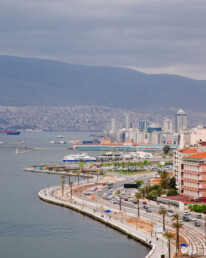
BUENA PRÁCTICA

Izmir
  • Calidad de vida

Cittaslow Metropolis – “Cittaslow Neighborhood Program”

Las calles diseñadas con la participación de los residentes de la ciudad aumentan el sentido de pertenencia a la ciudad, la comunicación y la apropiación de prácticas.

OBJETIVO

Izmir se convirtió en el primer de metrópolis Cittaslow, con el objetivo de desacelerar y proteger el entorno urbano y la naturaleza de la ciudad. Se establecieron objetivos en seis ámbitos: comunidad, buena gobernanza, movilidad, resiliencia urbana, acceso a una buena alimentación y vecindarios lentos.

DESCRIPCIÓN DE LAS ACTUACIONES DESARROLLADAS

Se llevaron a cabo análisis que involucraron a representantes de la sociedad, cámaras profesionales, expertos y académicos, con el objetivo de comprender la vida en İzmir y la ciudad metropolitana en general. Estos análisis también consideraron las opiniones predominantes a nivel mundial en este ámbito, y se compararon con la filosofía de Cittaslow. A partir de esta perspectiva, se identificaron los temas prioritarios que deben abordarse en el modelo Cittaslow.

FACTORES CLAVE DE ÉXITO

Los factores de éxito del proyecto están vinculados a las soluciones proporcionadas por éste, que, en este caso, pertenecen a dos tipologías diferentes: sociales y espaciales. Mediante las soluciones sociales se ha conseguido fortalecer la identidad urbana y el sentido de pertenencia de los vecindarios. En cuanto al éxito de las soluciones espaciales, se han dado en base al planteamiento de herramientas como los Espacios Lentos, al cerrar área al tráfico de vehículos y establecer lugares de uso de peatones.

PRINCIPALES RESULTADOS OBTENIDOS

Las calles pueden convertirse en áreas más habitables no solo a través del diseño del entorno físico, sino convirtiéndose en propiedad de usuarios de todas las edades. La inclusión de los residentes de la ciudad en el proceso de diseño garantiza la transparencia y equidad en las decisiones tomadas. Al diseñar las calles con la participación de los residentes, se fortalece el sentido de pertenencia a la ciudad, se fomenta la comunicación y se promueve la apropiación de las prácticas urbanas. En el marco del programa Cittaslow Neighborhood, se llevó a cabo un proceso de participación ciudadana que permitió identificar los problemas, necesidades y potencialidades del vecindario a partir de las opiniones y respuestas de los residentes.


BUENA PRÁCTICA

Izmir
  • Quality of life

Cittaslow Metropolis – ‘Cittaslow Neighborhood Program’

Streets designed with the participation of city residents increase the sense of belonging to the city, communication, and appropriation of practices.

OBJECTIVES

Decelerate and protect the city’s urban environment and nature. Targets were set in six areas: community, good governance, mobility, urban resilience, access to good food and slow neighbourhoods.

DESCRIPTION OF ACTIONS CARRIED OUT

Analysis involving representatives of society, professional chambers, experts and academics were conducted with the aim of understanding life in İzmir and the metropolitan city in general. These analyses also considered the prevailing global views in this area and were compared with Cittaslow’s philosophy. From this perspective, priority issues to be addressed in the Cittaslow model were identified.

KEY SUCCESS FACTORS

Social solutions have strengthened urban identity and the sense of belonging in the neighbourhoods. The success of spatial solutions has been based on the use of tools such as Slow Spaces, by closing areas to vehicular traffic and establishing places for pedestrian use.

MAIN RESULTS ACHIEVED

Streets can become more liveable areas not only through the design of the physical environment, but by becoming owned by users of all ages. The inclusion of city residents in the design process ensures transparency and equity in the decisions made. By designing streets with the participation of residents, the sense of belonging to the city is strengthened, communication is fostered, and ownership of urban practices is promoted. As part of the Cittaslow Neighborhood program, a citizen participation process was carried out to identify the problems, needs and potential of the neighbourhood based on residents’ opinions and responses.

COMUNIDAD DE PRÁCTICA CIUDADES DIGITALES

Nafarroa Kalea, 5
48001 Bilbo, Bizkaia
T. +34 944 205 300
E. info@uclg-digitalcities.org

COMUNIDAD DE PRÁCTICA CIUDADES DIGITALES

Nafarroa Kalea, 5
48001 Bilbo, Bizkaia
T. +34 944 205 300
E. info@uclg-digitalcities.org

Privacy Overview

This website uses cookies so that we can provide you with the best user experience possible. Cookie information is stored in your browser and performs functions such as recognising you when you return to our website and helping our team to understand which sections of the website you find most interesting and useful.